The Pinnacle of Companies in History
Today’s Apple, Google, and Amazon, or domestic giants like Tencent and Alibaba, are all mere younger siblings compared to the British East India Company of the past.
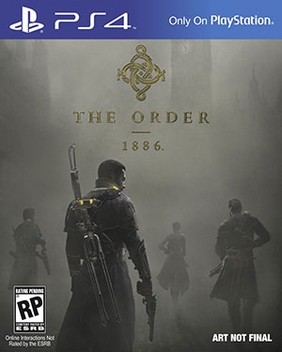
For those who don’t often read history, the mention of the British East India Company might feel both familiar and strange. For instance, in the steampunk game "The Order: 1886," the British East India Company is portrayed as the main antagonist.
The British East India Company was established in 1600 and initially received a royal charter from the British monarchy granting it a monopoly on trade with the East Indies. By 1670, it officially became Britain's overseas agent, a company that had its own army, its own currency, its own judiciary, and its own colonies.
From the mid-Ming dynasty onwards, a large amount of silver flowed into China. China held two globally popular products: unparalleled porcelain and an addictive beverage—tea. In the 18th century, Britain faced a massive trade deficit with China, leading the East India Company to start smuggling opium into China. The subsequent story is well-known to every Chinese person.
The British East India Company was a publicly listed company in London, with shares held by royal family members and the British public, possessing its own army and colonies. On January 1, 1874, the British East India Company was dissolved, marking the end of nearly 300 years of its history. The Times commented:
It accomplished a task that no other company in human history has ever shouldered, and which may never be shouldered in future history.