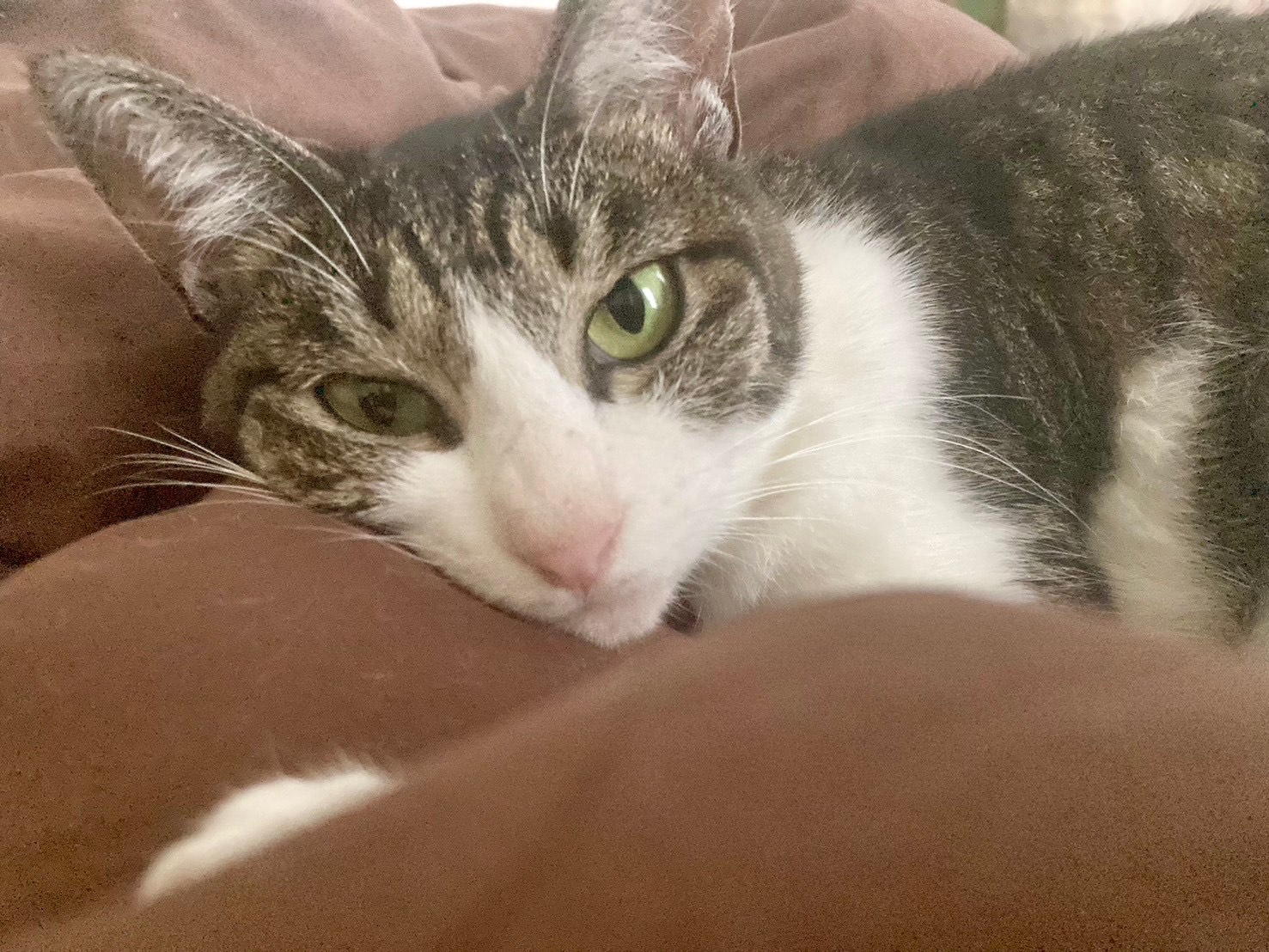
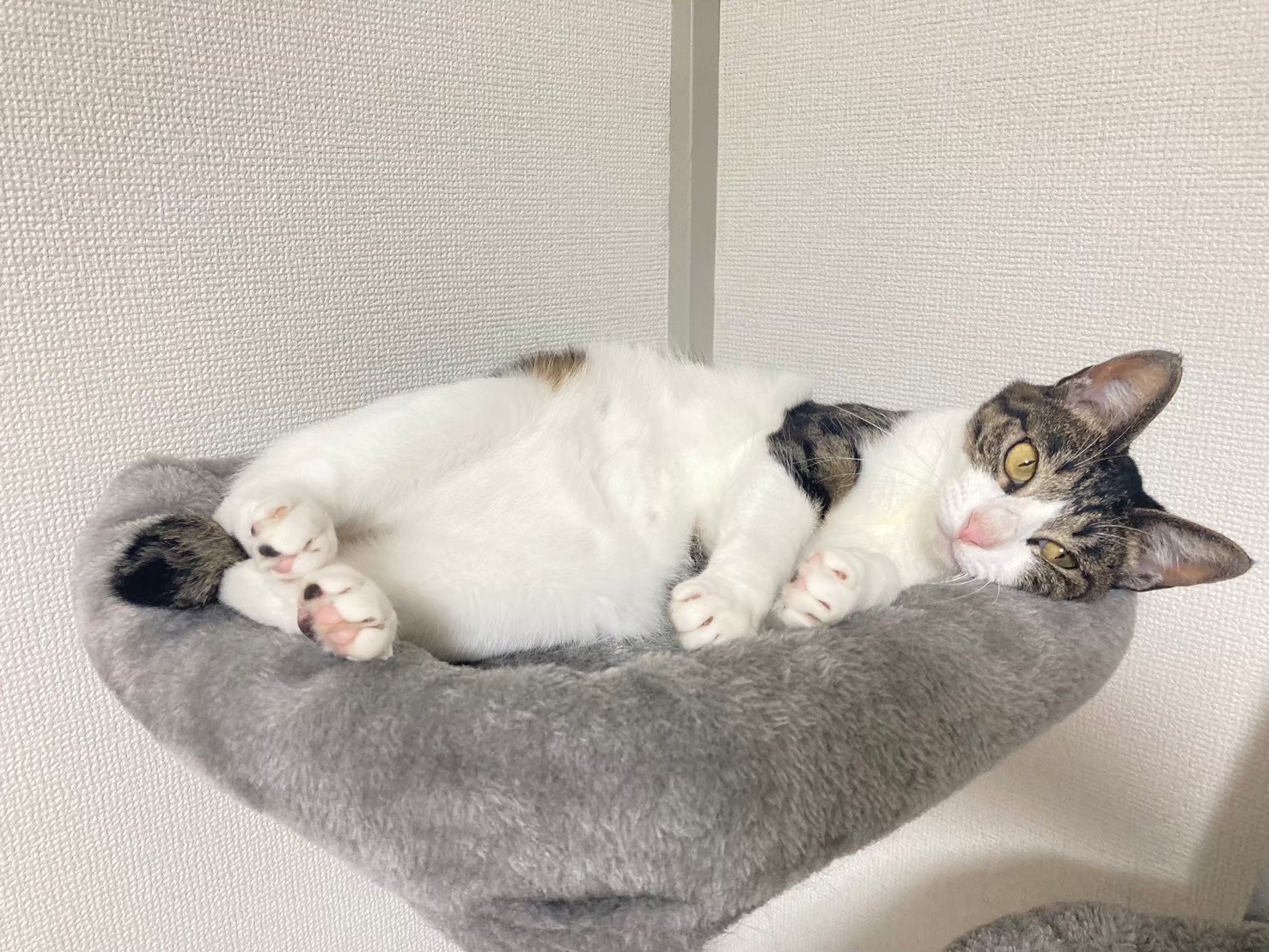
Rescuing a Stray Cat in Tokyo
One time when I was coming home, I saw a girl squatting at the entrance of my apartment, repeatedly saying "kawaii". As I got closer, I realized it was a stray cat. I didn't think much of it and went into the apartment. Later, I saw it several times when I got home, always with a girl transformed into a relentless kawaii machine nearby. One night, I saw it again just after buying sushi, planning to give it two pieces of salmon. As I squatted down, it came over. Of course, there was a girl nearby being kawaii again. When I squatted down, it left the girl who was petting it and came over to me, seemingly knowing I was going to feed it. I didn't disappoint it and gave it two pieces of salmon. The next day, I was no longer satisfied with just salmon, so I went to a convenience store to buy cat food and paper bowls. It would appear at the entrance of my apartment around five or six in the afternoon. I would feed it and then take the paper bowl away, leaving no trash behind.
After doing this for about two or three days, I started to think about capturing it because I knew that managing stray animals scientifically was necessary. Feeding like this would cause wild animals to become dependent on humans, merely satisfying my own sympathy and desires, leading to an overflow of stray cats in the city. A truly responsible approach should at least be TNR: Trap, Neuter, Return. Ideally, it would be better to find it a good home.
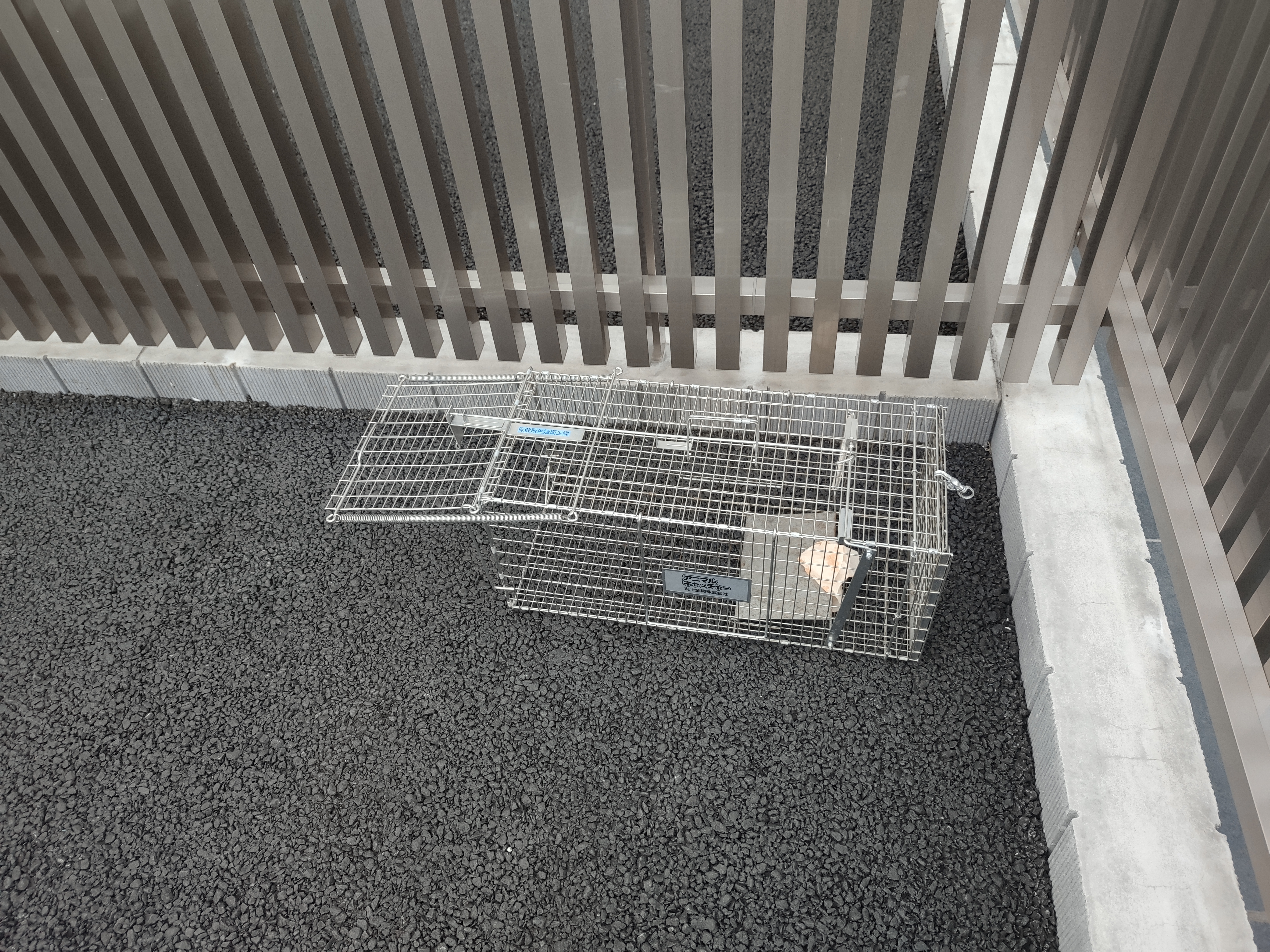
After a simple search, I found that there are many grassroots organizations in Japan that specialize in TNR, but in Tokyo, I could only find animal shelters. The outcome for stray animals entering shelters is likely euthanasia. I also found a stray cat consultation hotline, and when I called, they advised against feeding stray cats. I asked what I should do if I wanted to capture and neuter it. They gave me the address of the Katsushika Ward Living Division. I went to the Living Division, provided a photo of the cat, and filled out an application form. They gave me a capture cage.
The capture went smoothly because it was completely unafraid of humans. Thus, Lucy came to my home.
That night, I called many veterinary hospitals to arrange for neutering, but unless it was an emergency, all surgeries required an appointment. So, I first went to a veterinary hospital that didn't require an appointment for a check-up. The results showed: feline leukemia.
Lucy is a carrier of feline leukemia; she is not sick herself but cannot be kept with other cats because she could transmit the virus.
Additionally, I found that her claws had been trimmed, indicating she had been abandoned not long ago. Her tail was partially broken; whether it was due to abuse, fighting with other wild cats, or an accident, we cannot know, as Lucy cannot speak.
When Lucy first entered my home, she hid in the capture cage and wouldn't come out. I tipped her out, and she immediately dove under the washing machine. I placed cat food and water outside the washing machine, planning to leave her alone. However, she stayed hidden all night. I thought it wasn't a good idea for her to stay under the washing machine because I needed to do laundry and was worried she might get stressed or electrocuted. So, I moved the washing machine and pulled her out. I knew she was very scared and would be stressed, so I wrapped my arms in long pants, but I still got scratched. She started frantically searching for another hiding place and finally settled in the bathroom. I quickly surrounded the washing machine with cardboard to prevent her from going back in.
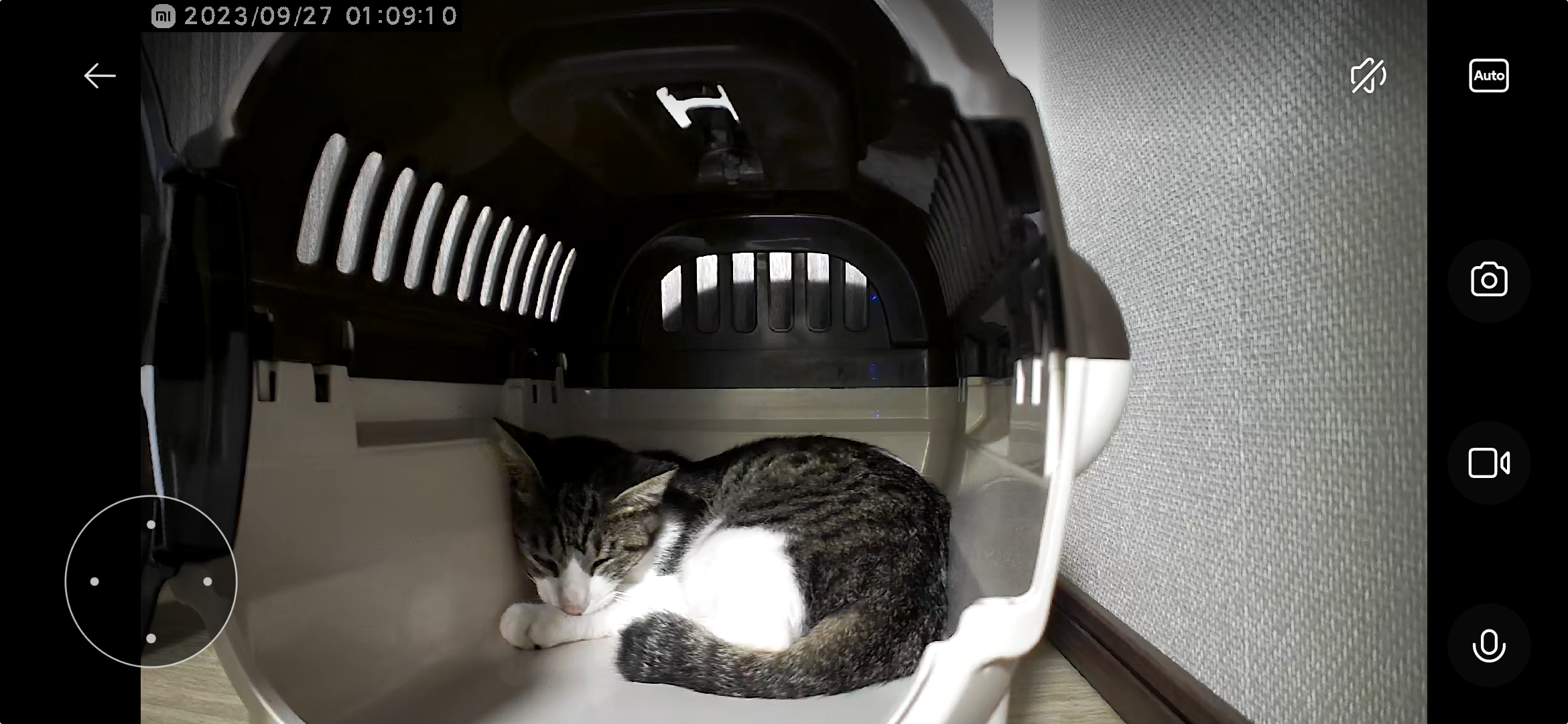
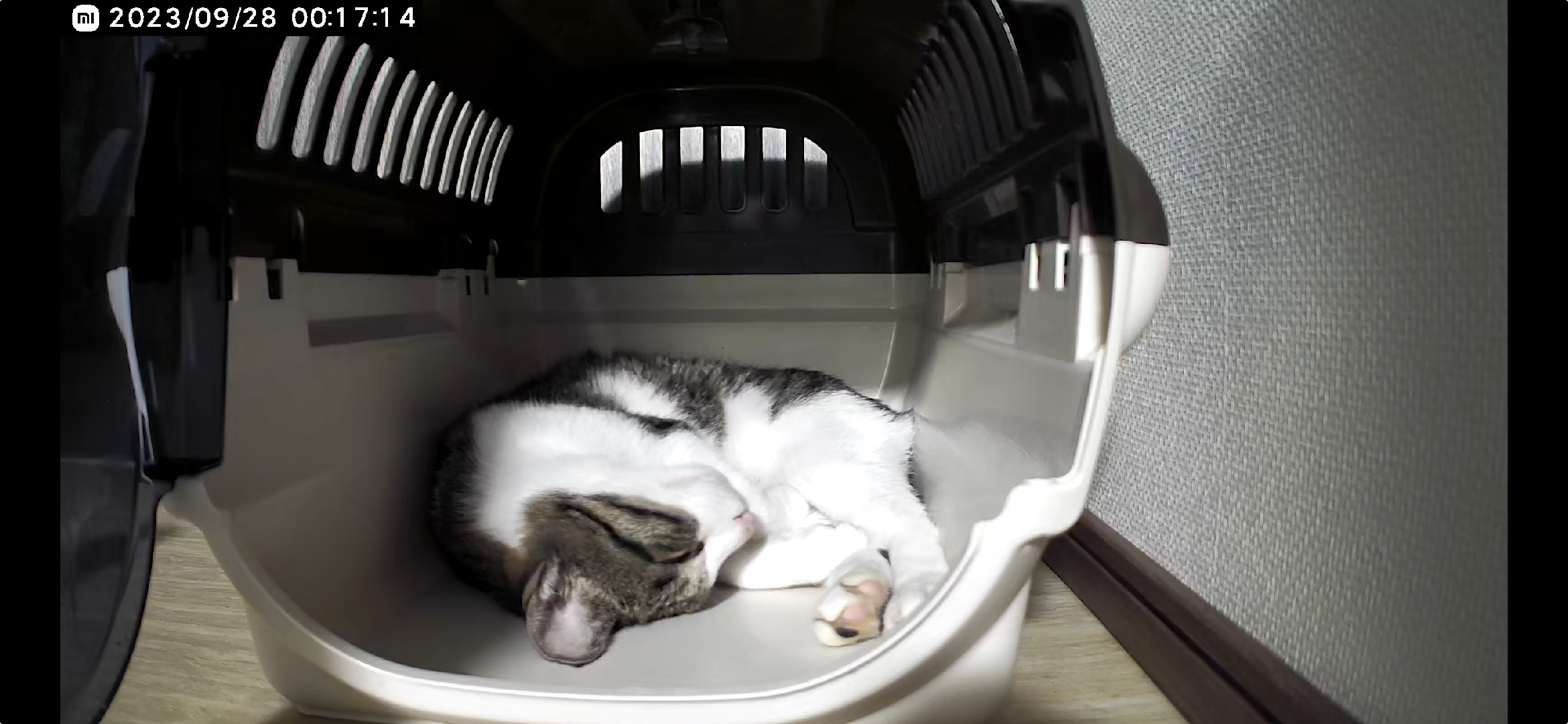
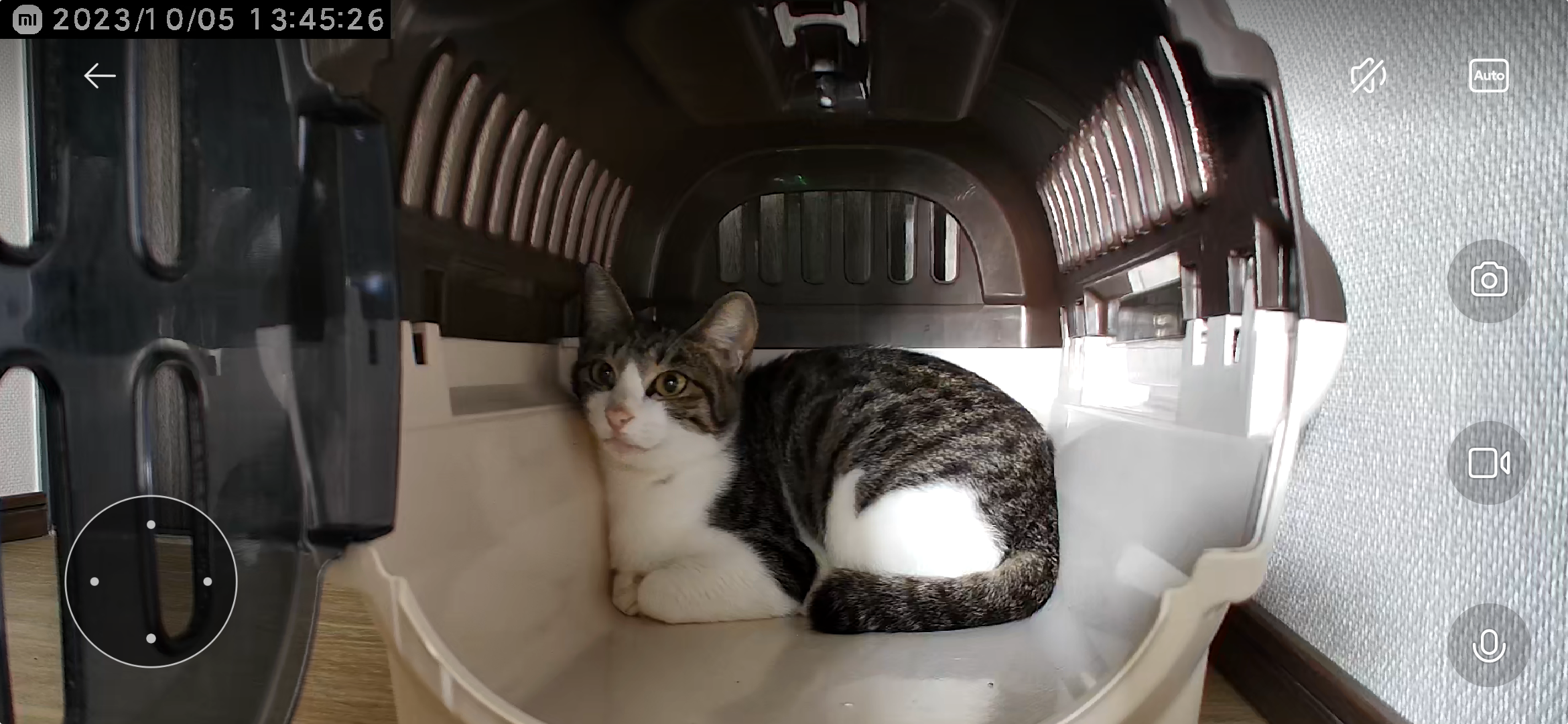
After a few days, I bought a travel crate. Her hiding spots began to stabilize, mainly in three places: behind the toilet in the bathroom, behind the curtains in the bedroom, and inside the travel crate at the entrance.
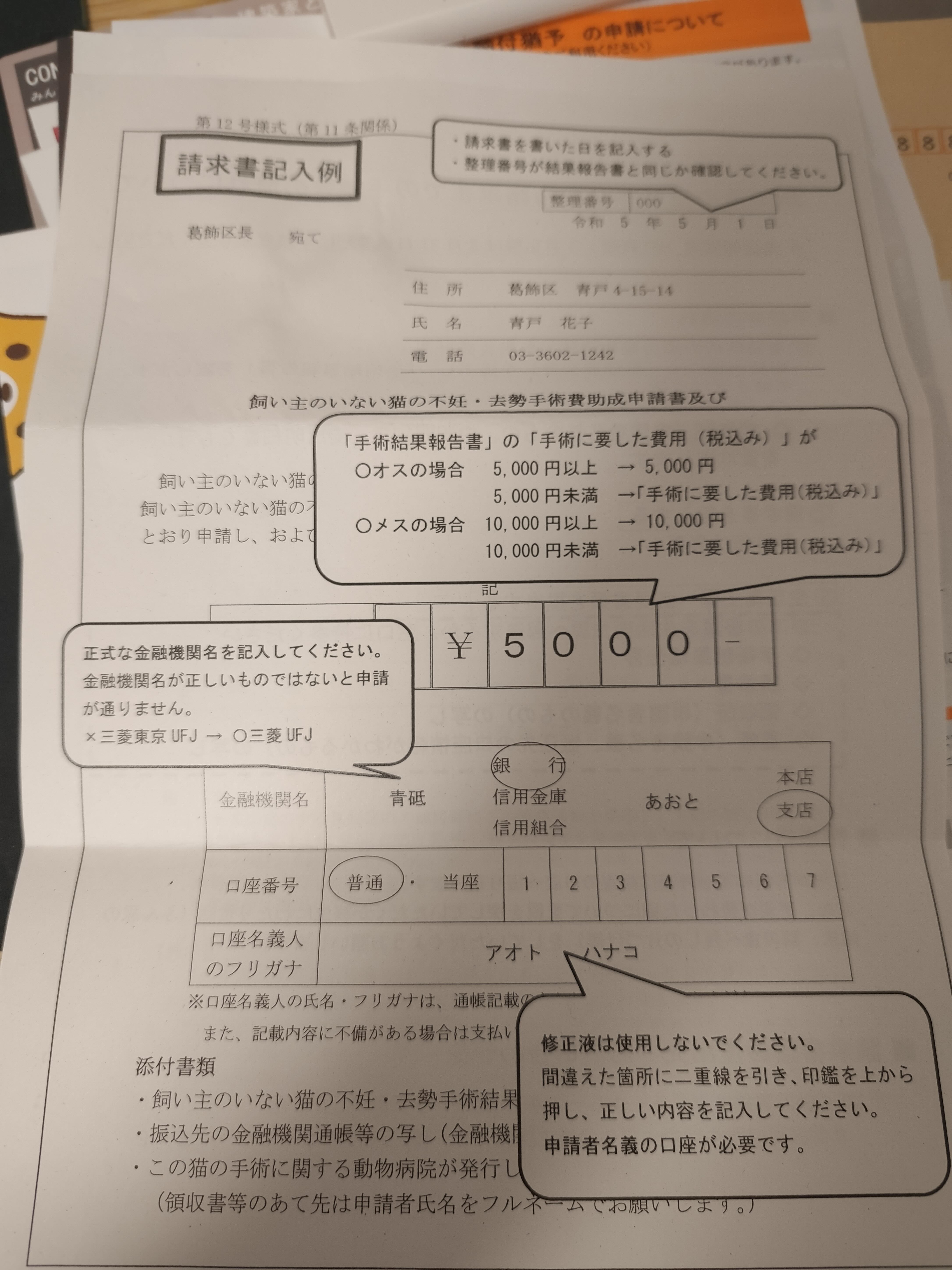
Later, I scheduled the neutering surgery, which went smoothly. The Katsushika Ward Living Division not only provided the capture cage but also reimbursed the neutering surgery, up to 10,000 yen, while the actual surgery cost over 9,000 yen, completely covered. The reimbursement was for sustainability.
I named her Lucy because she initially would seize the opportunity to rush to the window, wanting to escape. At that time, I happened to be watching "Cyberpunk: Edgerunners," and her desire for freedom by the moonlit window reminded me of Lucy.

As long as she wasn't hiding under the washing machine, I implemented a complete strategy of ignoring her. I tried to make her feel my presence as little as possible to reduce her stress.
Lucy cried all night, keeping me awake. I bought earplugs, but they didn't help much. At one point, I thought about giving her a small ear notch and releasing her. An ear notch indicates she has been neutered. When I took her to the veterinary hospital, I was surprised to learn that since I had agreed to implant a microchip during the neutering surgery, they had already done so. If I released her now, it would be illegal. If I didn't release her and sought adoption, the ear notch would make it harder for her to be adopted. So, they advised me not to do the ear notch. The reason she was crying was that she was new to the environment and wanted to go outside. They encouraged me to keep going. Thus, I had to continue coexisting with her loud cries at night.
I even suspected that her last abandonment was due to her crying nonstop at night. When I took her for a check-up, I found her claws had been trimmed and hadn't grown back, indicating she had been abandoned not long ago.
Since I couldn't release her, I tried to find her a home. First, I contacted a nearby cat café, which I saw on social media, where the owner often rescues stray cats. I called her, and she said she hoped I would continue to care for Lucy and that it was my decision whether to keep her (君の気持ち次第). Later, I suggested adding her on Line or email, and I sent her some photos of Lucy, hoping she could post on her café's social media to help find a home. I didn't receive any further replies. This experience gave me a new understanding of the distance between people in Japan. Perhaps she thought I was some dangerous foreigner.
I also posted on a Japanese pet adoption website, but I received no responses. Because Lucy has feline leukemia, she cannot be adopted with other cats, and those who love cats and want to adopt strays usually have more than one cat.
Since there was no progress in finding her a home, I had to continue working on soundproofing. I bought soundproof panels and surrounded the travel crate when I went to sleep. It was slightly better, and I could sleep, although it was only a temporary fix.
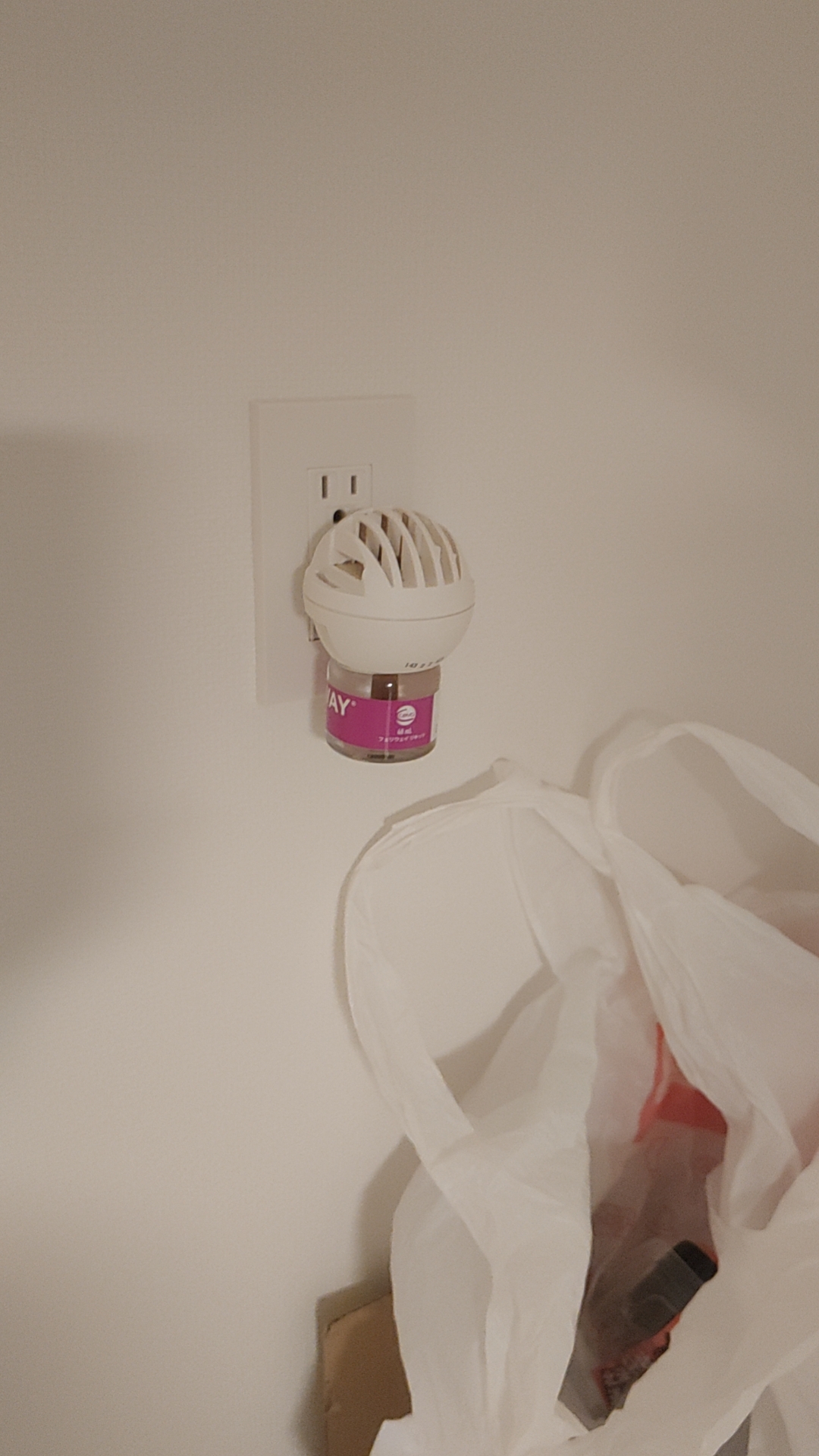
I consulted a veterinarian in my home country and played Lucy's cries for him. He said she was feeling scared and suggested I try cat pheromones, which could help her recognize the territory and feel that this was her home, reducing her stress. It worked effectively. She stopped crying at night, and I wasn't in a hurry to find her a home anymore.
Ultimately, Lucy is a cat that is close to people. Two months passed, and she finally stopped crying and began to approach me actively. Of course, it was a process; at first, she would only come out when I sat still, and if I stood up, she would immediately hide in her safe spots. Later, she would come over to let me pet her when I was sitting, but would run away as soon as I stood up. Eventually, she even jumped onto my lap.
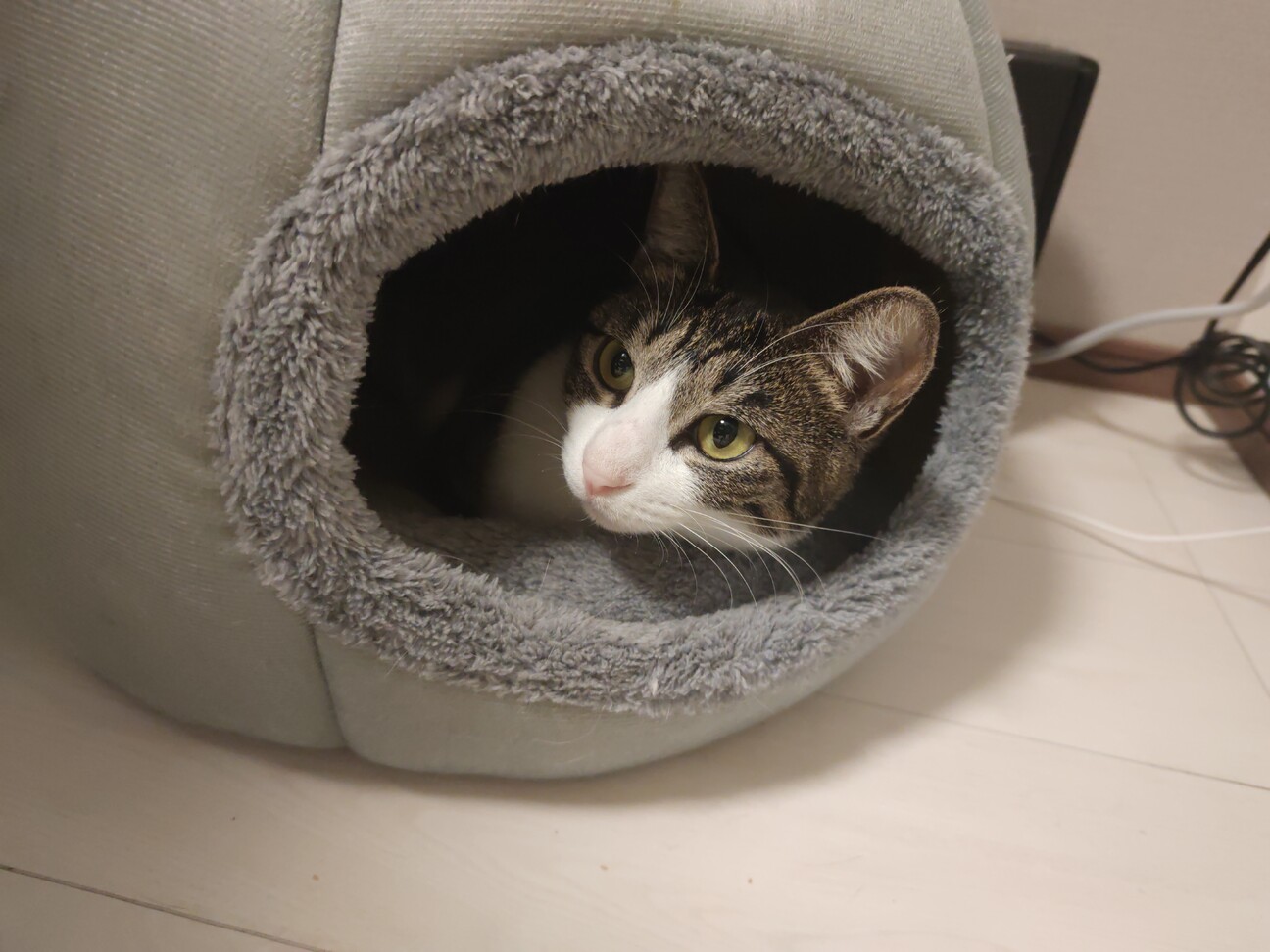
Several people inquired about adopting her through the website, including Koreans, English speakers, and Japanese people, but none resulted in an adoption. One English speaker seemed promising; we had arranged a time for him to pick up Lucy, but on the day, I couldn't reach him.
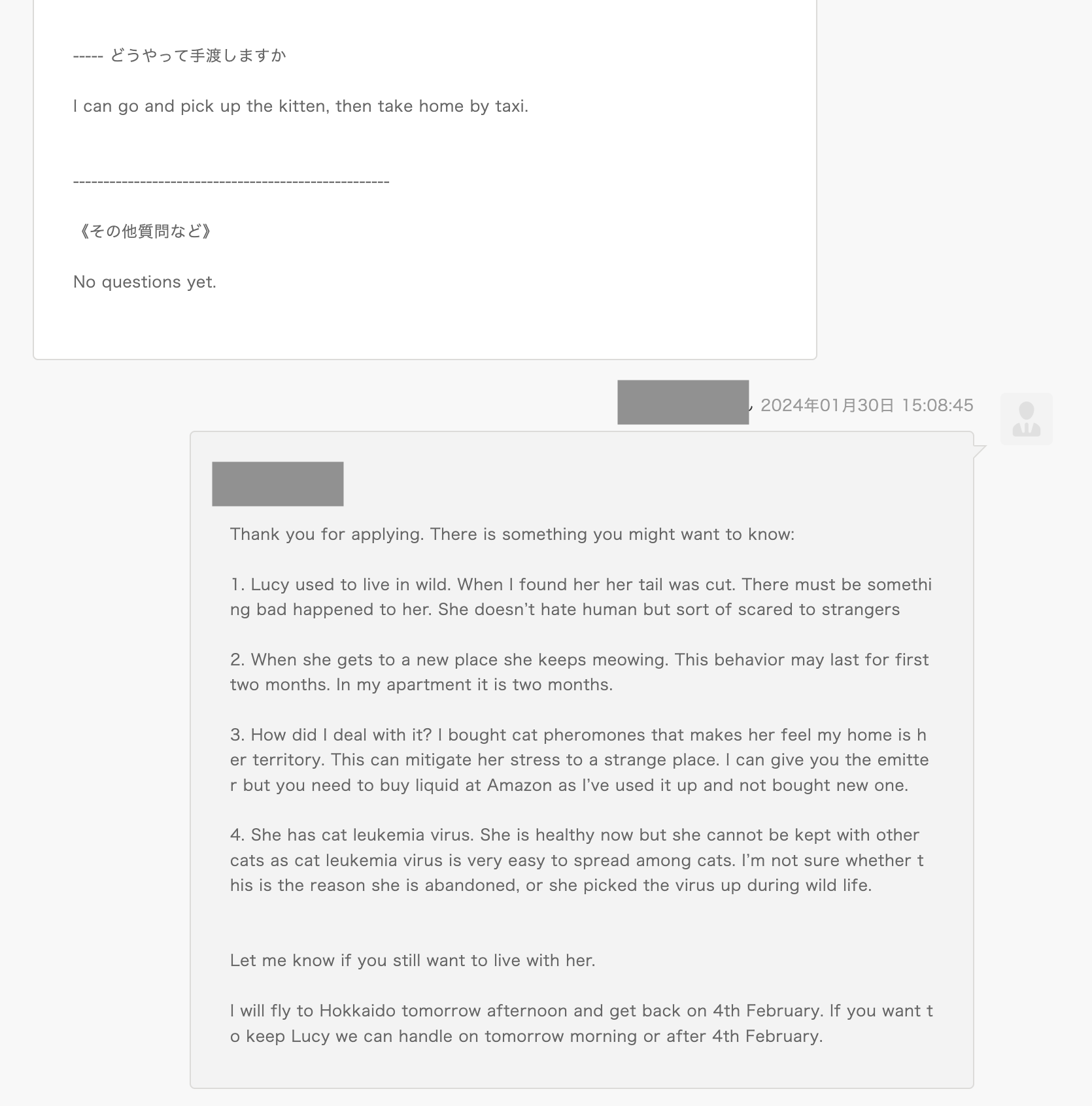
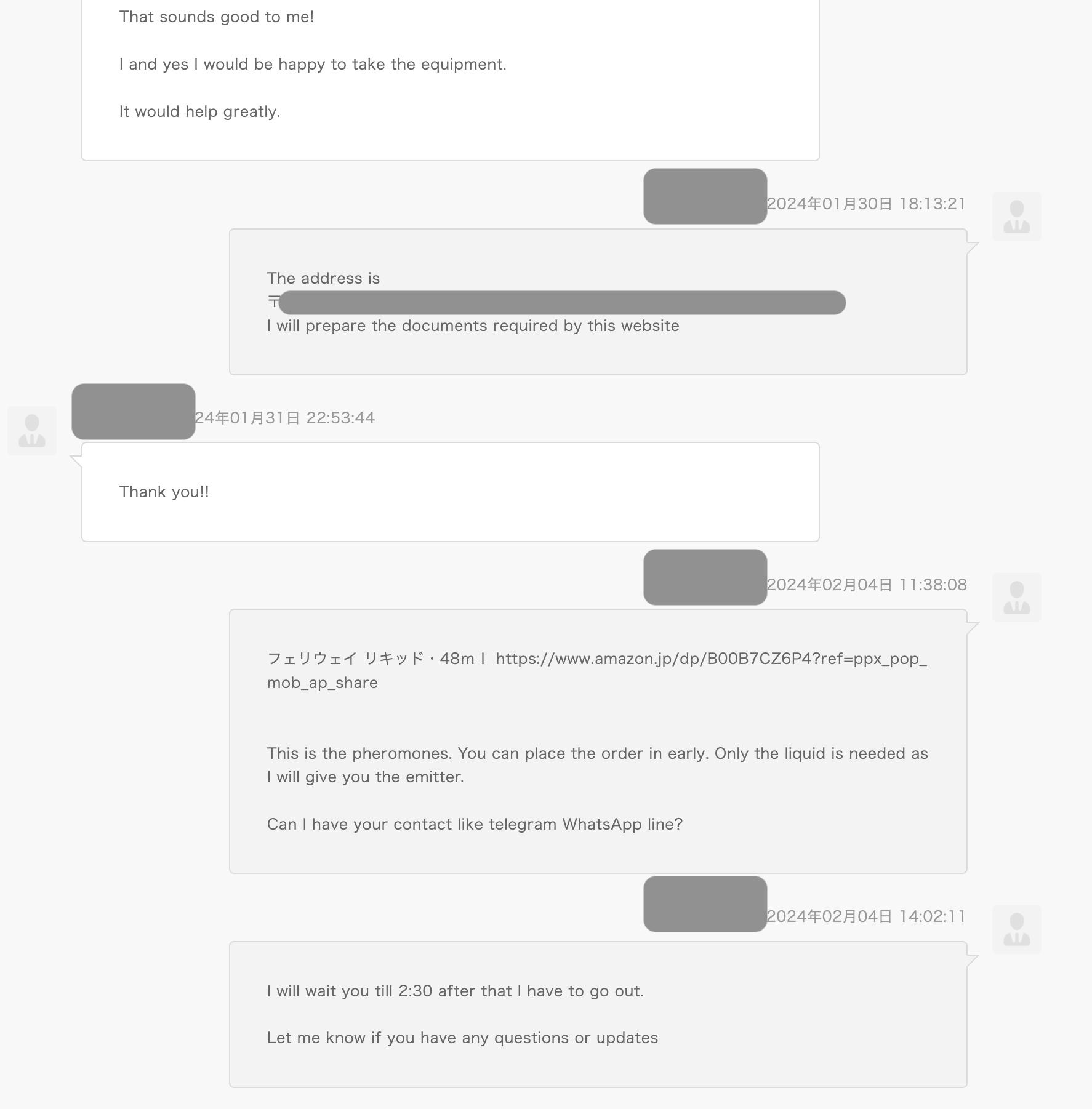
Because he said he wanted her, I even rejected another person's inquiry about adoption.
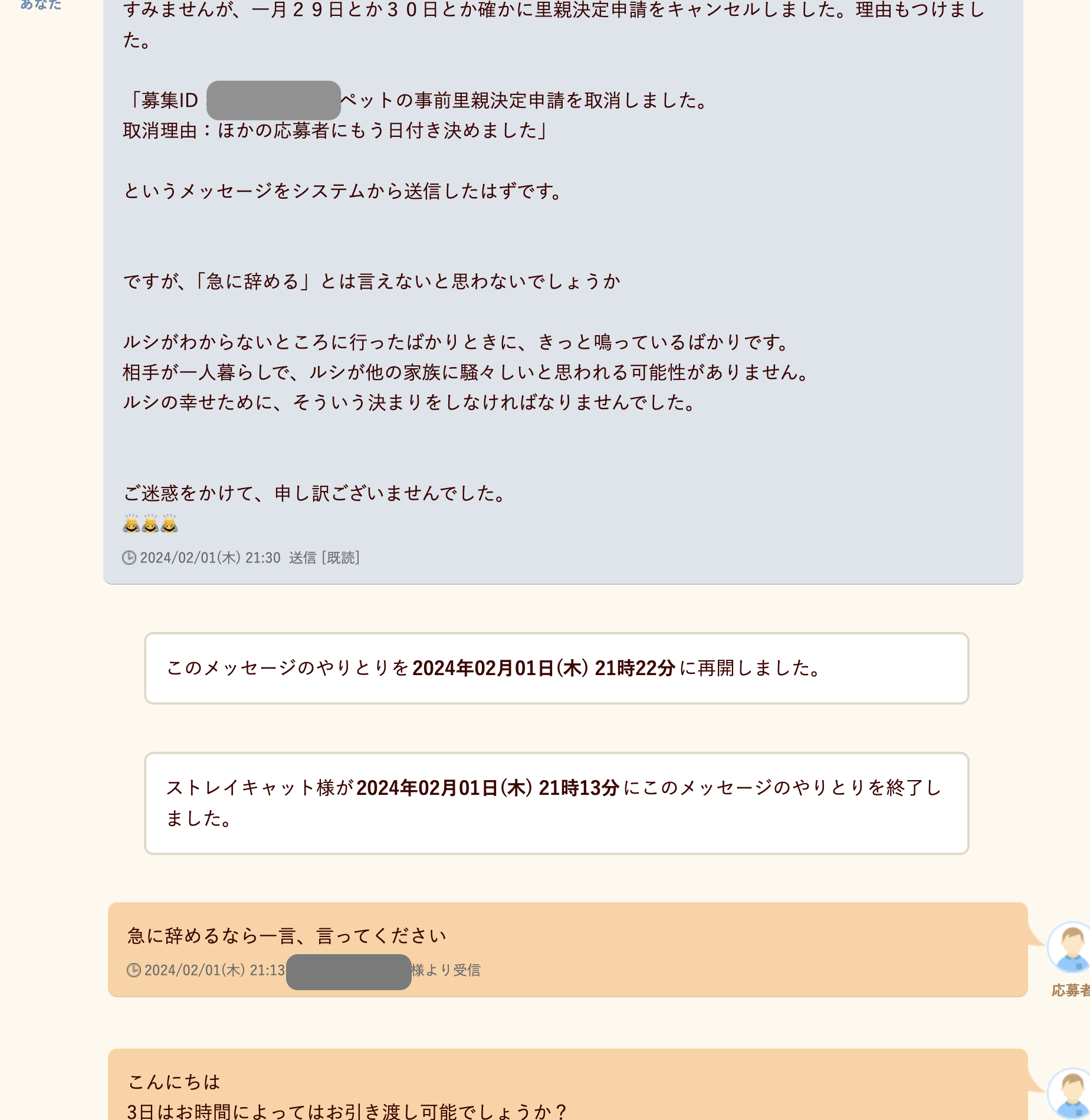
In the end, this English speaker just disappeared. Looking at it from another angle, with such unreliable people, Lucy might encounter misfortune again.
In October 2023, I finally found a home for her. It was a young woman in her twenties.
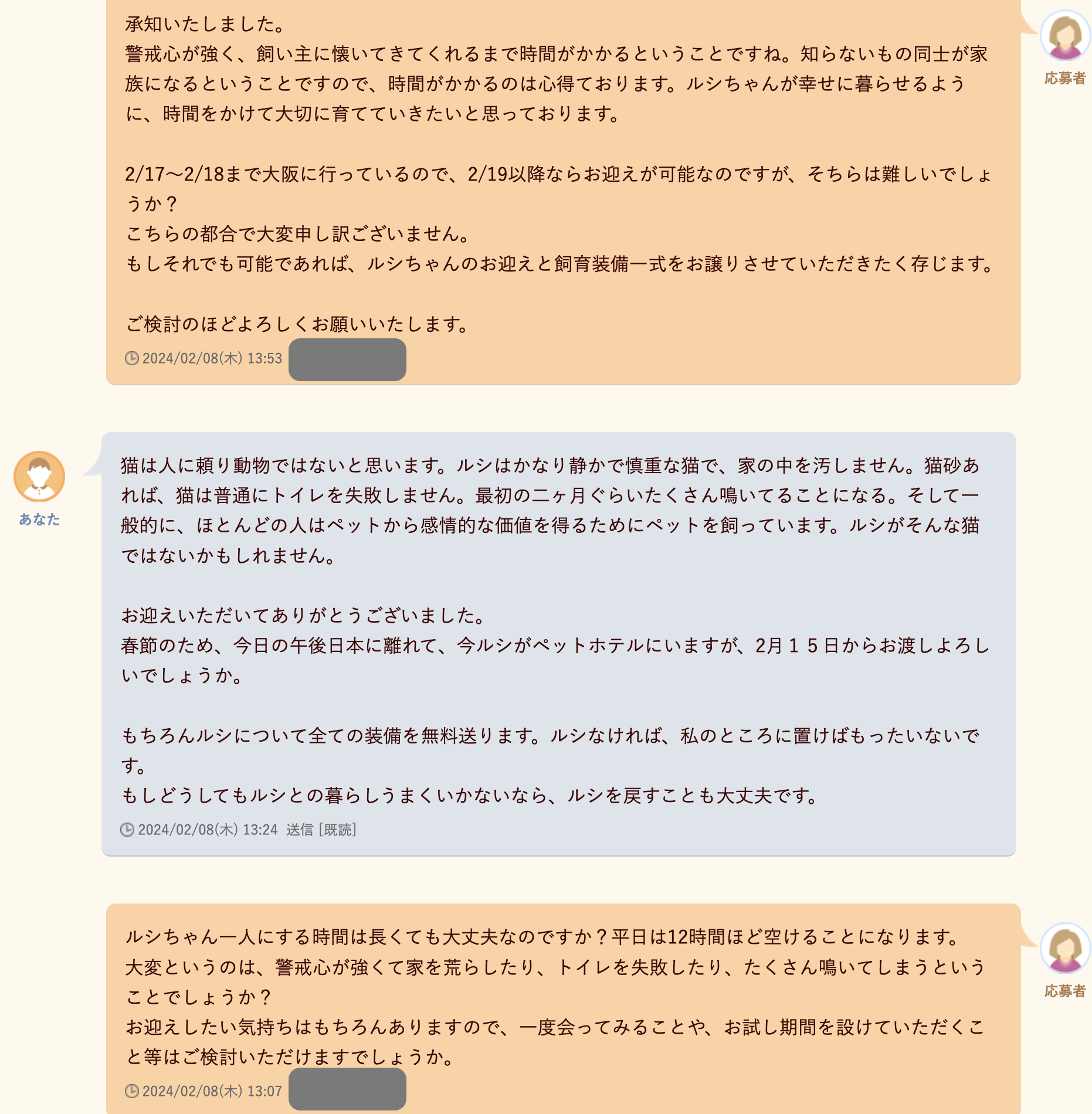
On the day of the handover, I met her, and she looked very gentle, resembling a popular reporter from CCTV, Wang Bingbing, and seemed like a kind person.
When I inquired about Lucy's current situation, I learned she had a new name and was doing well.
Good evening. It's been a while. I'm sorry for the delay in communication.
It's been six months since I welcomed Uni-chan. She has been healthy without vomiting or major injuries. I have a regular veterinary clinic and take her for regular check-ups, including nail trimming.
She still sleeps with me every day, which is very cute. Since it's still hot, I will be careful about dehydration.
Please take care of yourself too.